

Plan a Trip
Plan a Trip

Kilimanjaro National Park

Kilimanjaro National Park
DISCOVER

Kilimanjaro National Park, home to Africa's Highest Peak

Kilimanjaro National Park offers a rare combination of natural wonder and personal challenge, drawing adventurers from around the globe to conquer its famed summit. From the lush forests to the icy peak, each step along Kilimanjaro’s trails reveals a new facet of Tanzania’s breathtaking wilderness.

Whether you’re an experienced climber or a nature lover drawn to its scenic beauty, Kilimanjaro National Park provides an experience like no other. Lace up your hiking boots, pack your camera, and get ready for a journey to the rooftop of Africa!

Park Highlights

destination-highlights-attractions-870x581-1

Key Attractions

Mount Kilimanjaro

Shira Plateau

Maundi Crater

Diverse Wildlife

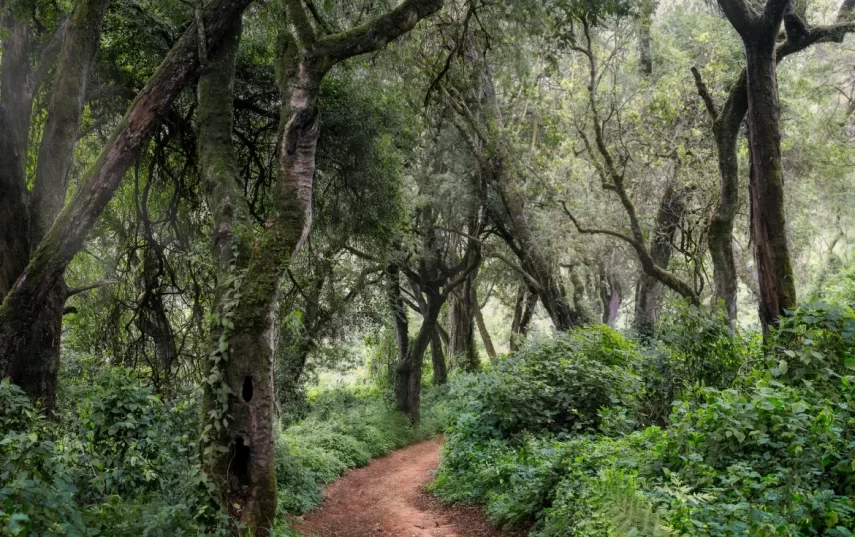
Rainforest Zone

destination-highlights-activities-870x581-1

Activities in the Park

Summit Trekking

Wildlife Viewing

Birdwatching

Photography Tours

Cultural Visits

destination-highlights-facilities-870x581-1

Facilities in the park

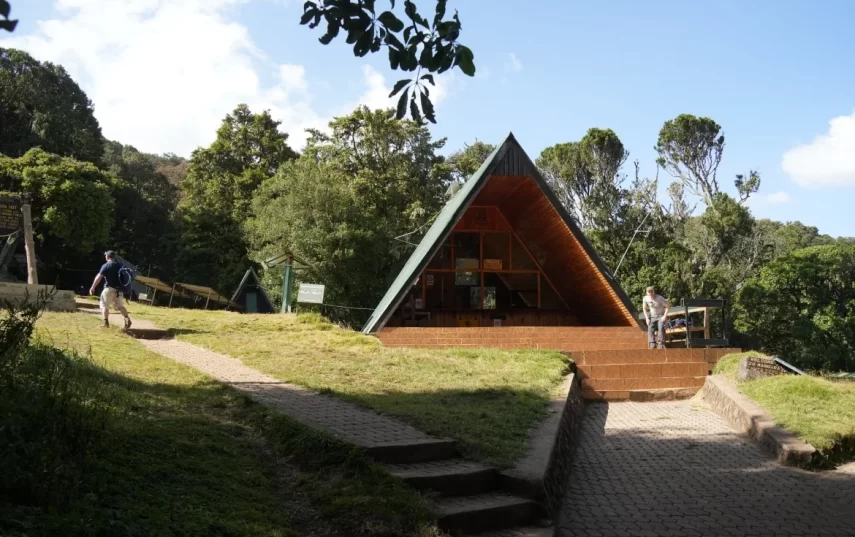
Mountain Huts

Luxury Lodges

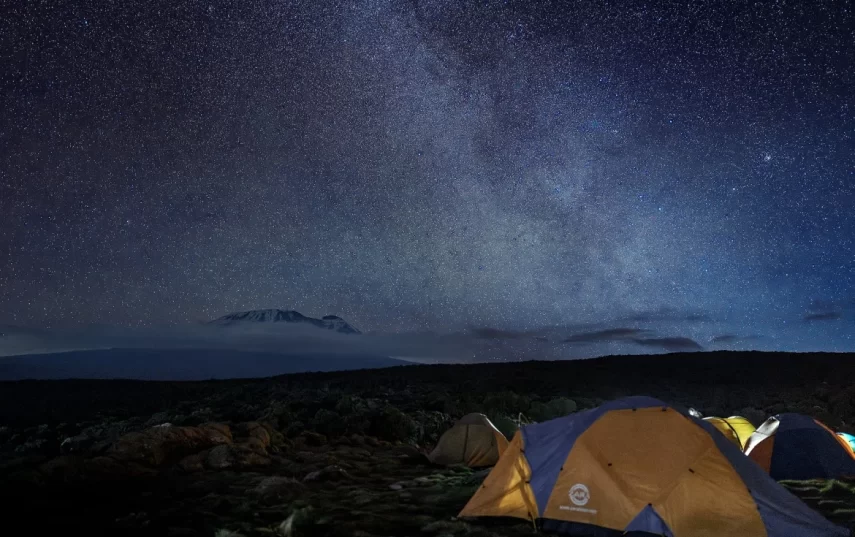
Public Campsites

Visitor Center

Porter and Guide Services

Sight & Sounds

BirdWatching

With over 180 bird species, Kilimanjaro is a haven for birdwatchers.

Walking Safaris

The landscape and wildlife provide incredible photo opportunities.

Summit Trekking

Embark on a journey to the summit via one of Kilimanjaro’s six main routes.

Kilimanjaro National Park is more than just a Hiking Destination

Kilimanjaro National Park, a UNESCO World Heritage Site, is Tanzania’s premier destination for thrill-seekers and nature lovers alike. Encompassing Mount Kilimanjaro—the tallest free-standing mountain in the world—the park draws visitors from across the globe who come to marvel at its unique ecosystem, stunning landscapes, and unforgettable hiking experiences. From lush rainforests to alpine deserts, Kilimanjaro’s ever-changing scenery provides a challenging yet rewarding adventure that’s unlike any other. If you’re ready to explore one of Africa’s most iconic sites, this guide will help you navigate all that Kilimanjaro National Park has to offer.

Getting There

Kilimanjaro National Park is accessible from various points, making it relatively easy for both domestic and international travelers to reach.

By Air: The most convenient way to reach Kilimanjaro is to fly into Kilimanjaro International Airport (JRO), located about 50 kilometers from the park. From here, it’s a one-hour drive to the park’s main gate. The airport serves international flights and has connections to several major African cities.

By Road: For those starting in Tanzania’s safari hub of Arusha, Kilimanjaro National Park is a 2-hour drive by car or shuttle. Private taxis, as well as scheduled shuttle services, make the journey straightforward.

Kilimanjaro’s accessibility and organized travel options make it a dream destination for adventure-seekers worldwide.

Size and Landscape

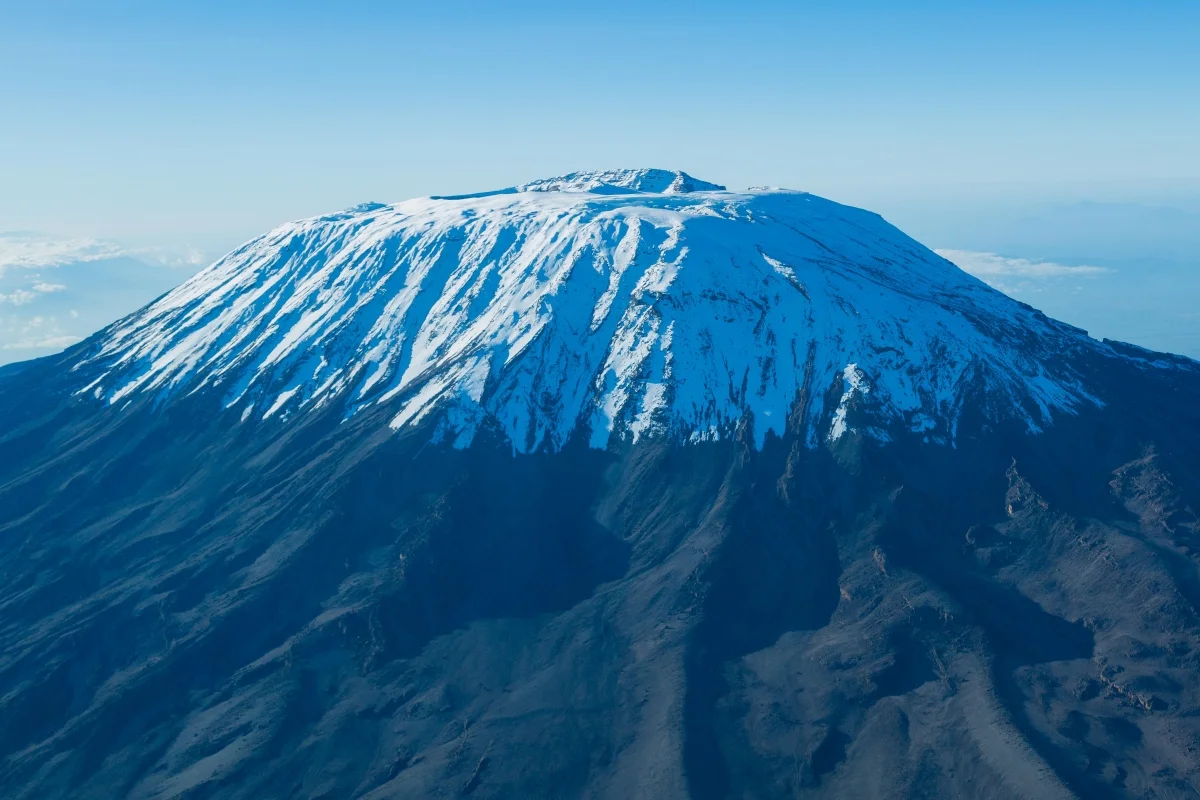
Kilimanjaro National Park spans 1,688 square kilometers, encompassing the entire Mount Kilimanjaro and its diverse ecosystems. Standing at a staggering 5,895 meters above sea level, Kilimanjaro is Africa’s tallest peak, towering over the Tanzanian plains with unparalleled grandeur.

The park is famous for its distinct ecological zones:

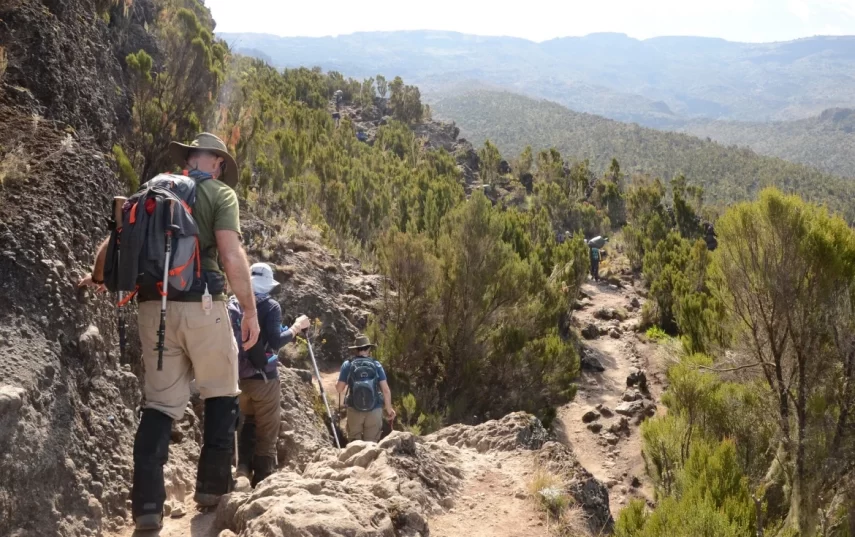
Tropical Forest: The lower slopes are lush and teeming with vegetation, creating a verdant paradise.
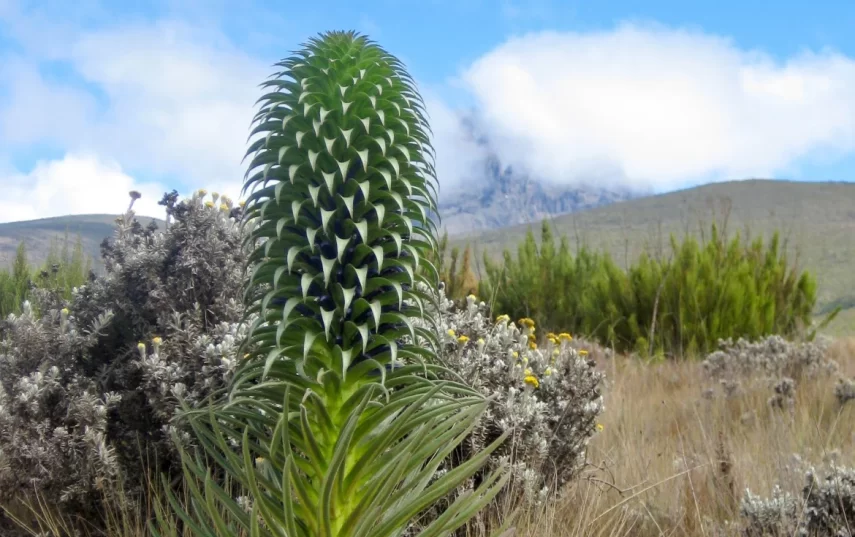
Heath and Moorland: At mid-level, unique flora such as giant heather and lobelias add color to the landscape.
Alpine Desert: High up, you’ll encounter a stark, rocky terrain resembling an alien landscape.
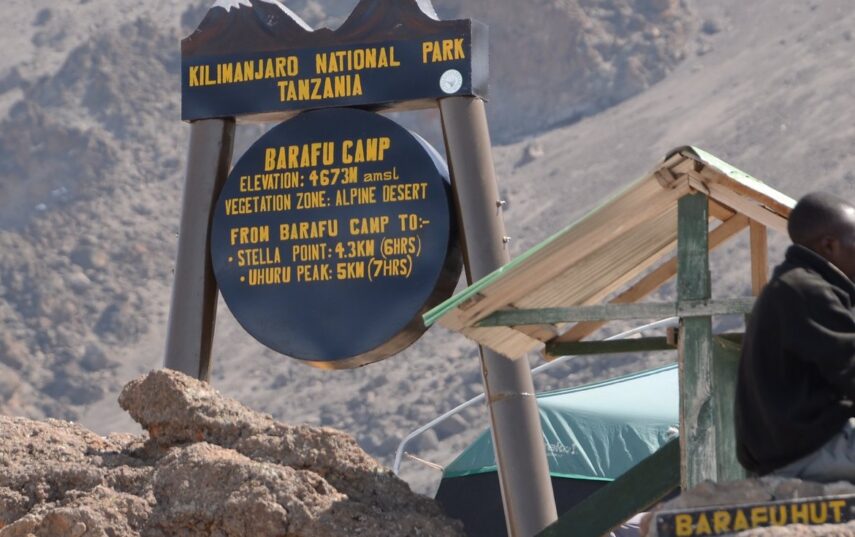
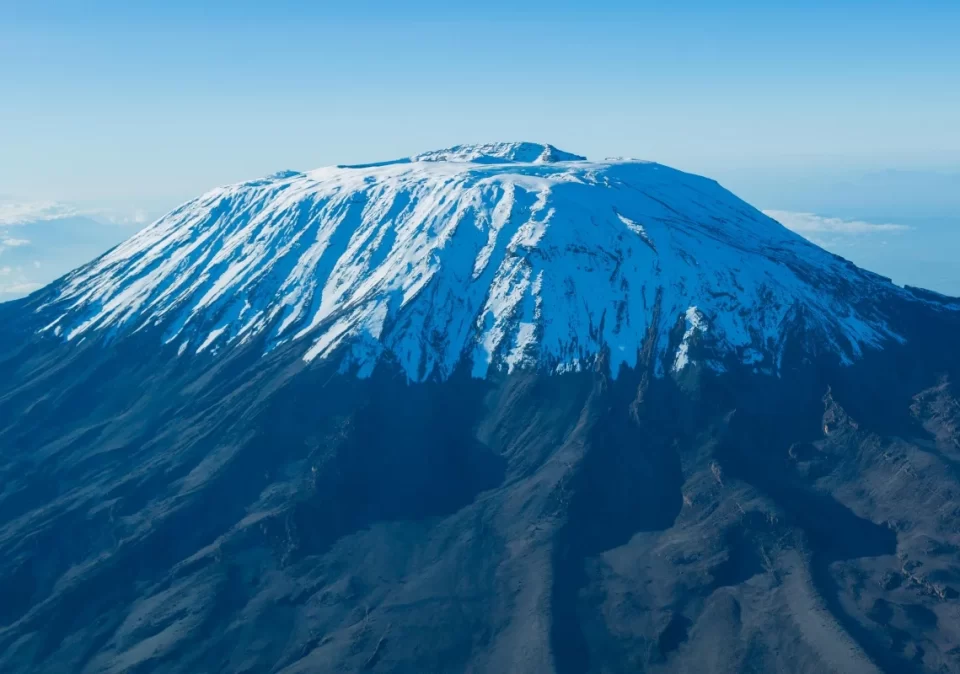
Arctic Summit: Near the peak, glaciers and snowfields make Kilimanjaro one of the few places in Africa where snow can be seen year-round.

This ecological diversity adds a rich, multi-dimensional aspect to any trek up Kilimanjaro, making it a truly unique adventure.

Climate

The park experiences a mix of tropical and alpine climates due to its varying altitudes.

Wet Season (March to May; November): During this period, heavy rains fall mainly at the base of the mountain, transforming the forest into a lush oasis. Trails can be slippery, making trekking challenging but rewarding for those seeking solitude.

Dry Season (June to October; December to February): This season offers clear skies, stable temperatures, and ideal trekking conditions. Nights can get chilly, especially at higher altitudes, but this is the best time for climbers aiming to reach the summit.

Kilimanjaro’s weather can shift dramatically with altitude, so pack and dress accordingly to handle both tropical heat and alpine chill.

Park Attractions

Kilimanjaro National Park’s natural beauty goes beyond its iconic peak, with a diverse range of attractions that appeal to every kind of nature lover:

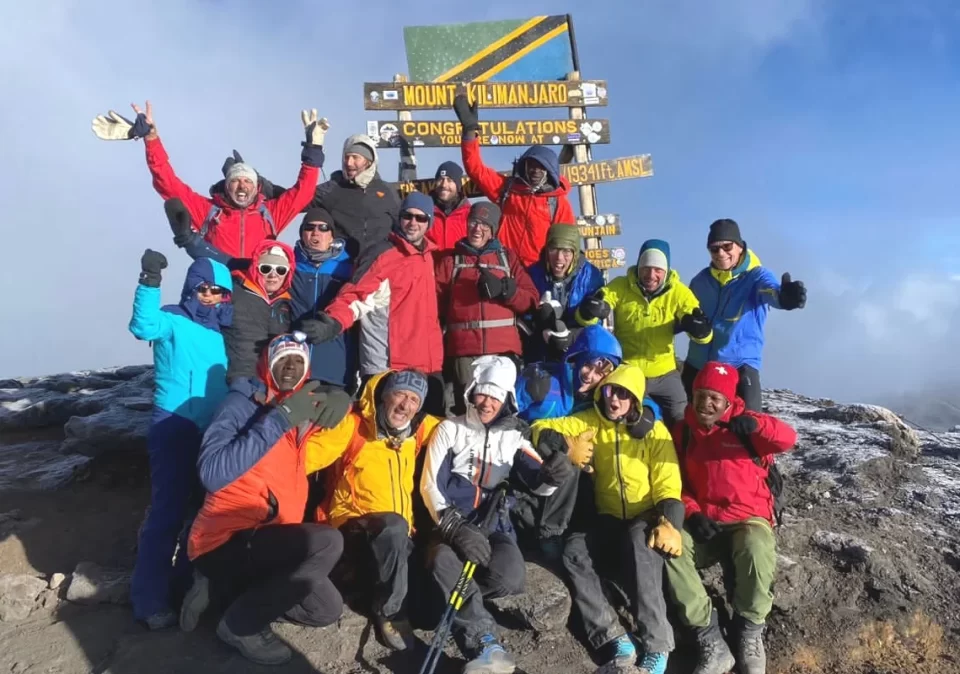
Mount Kilimanjaro: The crown jewel of the park, this majestic mountain draws climbers and sightseers alike. Its snow-capped peak and scenic slopes are a marvel to behold.

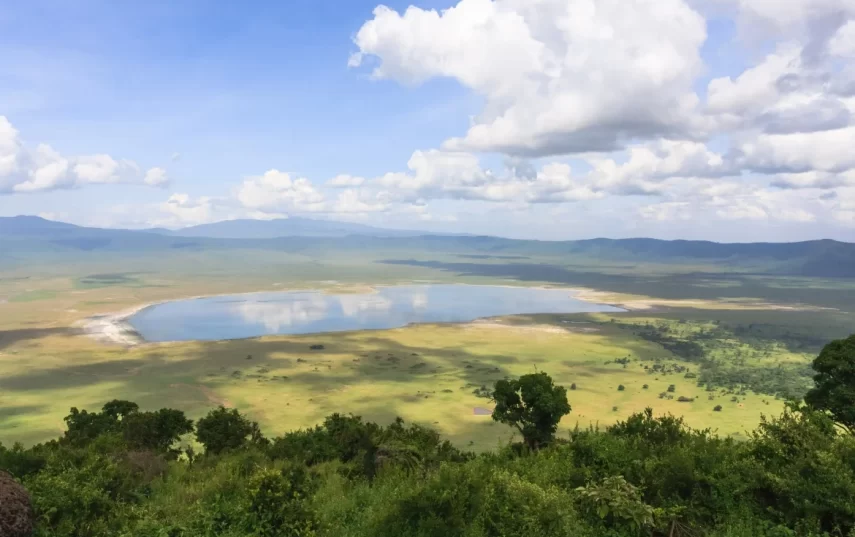
Shira Plateau: Located on the western side of Kilimanjaro, this vast volcanic plateau offers breathtaking panoramic views, unique flora, and serves as a prime wildlife-spotting area.

Maundi Crater: Near the Marangu Route, Maundi Crater is a popular spot for visitors seeking sweeping views of Kenya’s plains and Kilimanjaro’s surrounding forest.

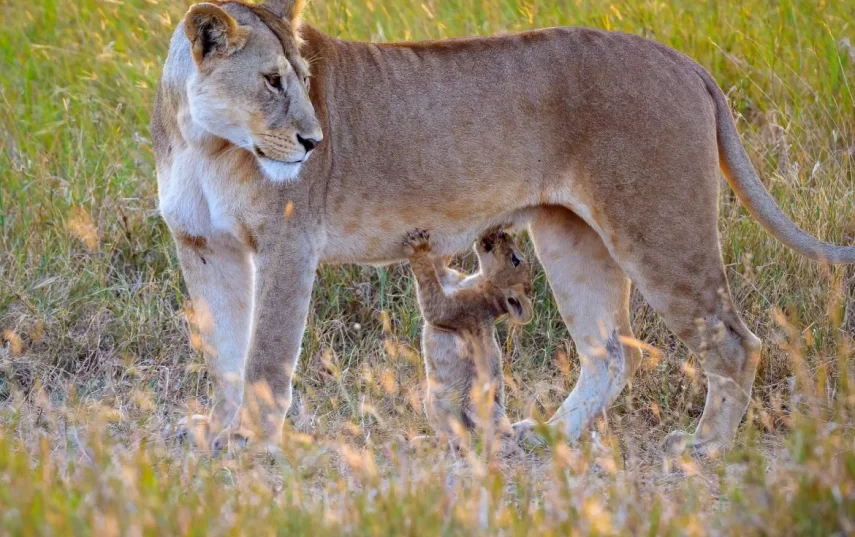
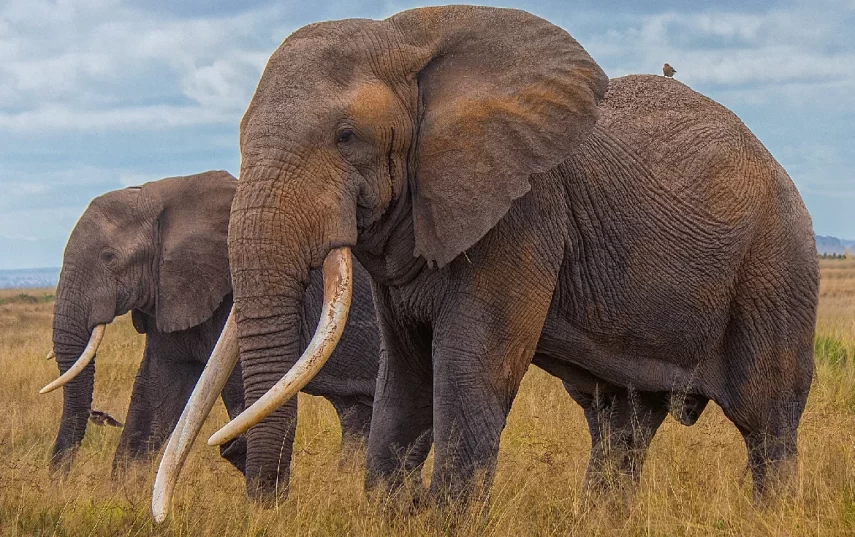
Diverse Wildlife: The park hosts a surprising array of wildlife, including elephants, leopards, and colobus monkeys, primarily in the lower forested areas.

Rainforest Zone: This dense forest provides a lush backdrop, home to unique species such as the elusive Abbot’s duiker and a variety of vibrant bird species.

From summit seekers to wildlife enthusiasts, Kilimanjaro National Park offers attractions that highlight the park’s remarkable biodiversity and awe-inspiring scenery.

 Activities

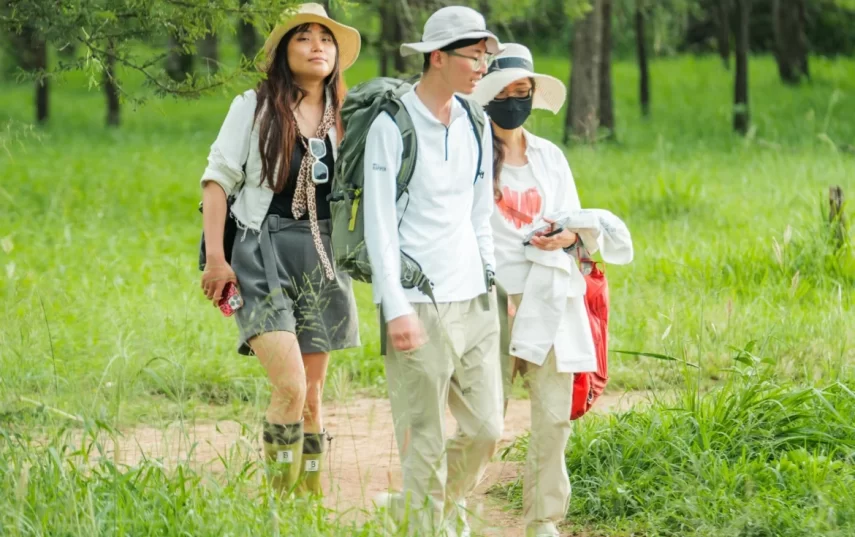
Kilimanjaro National Park is a playground for outdoor enthusiasts, with activities ranging from high-adrenaline treks to relaxing nature walks:

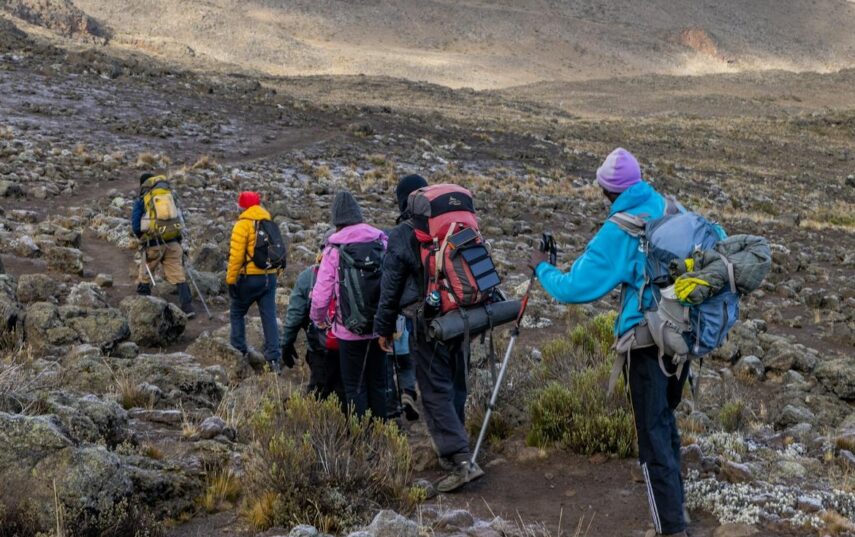
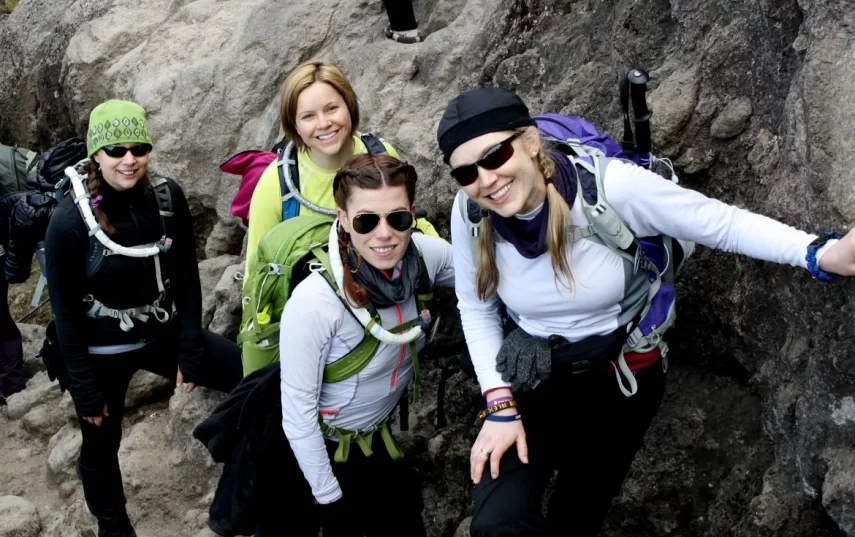
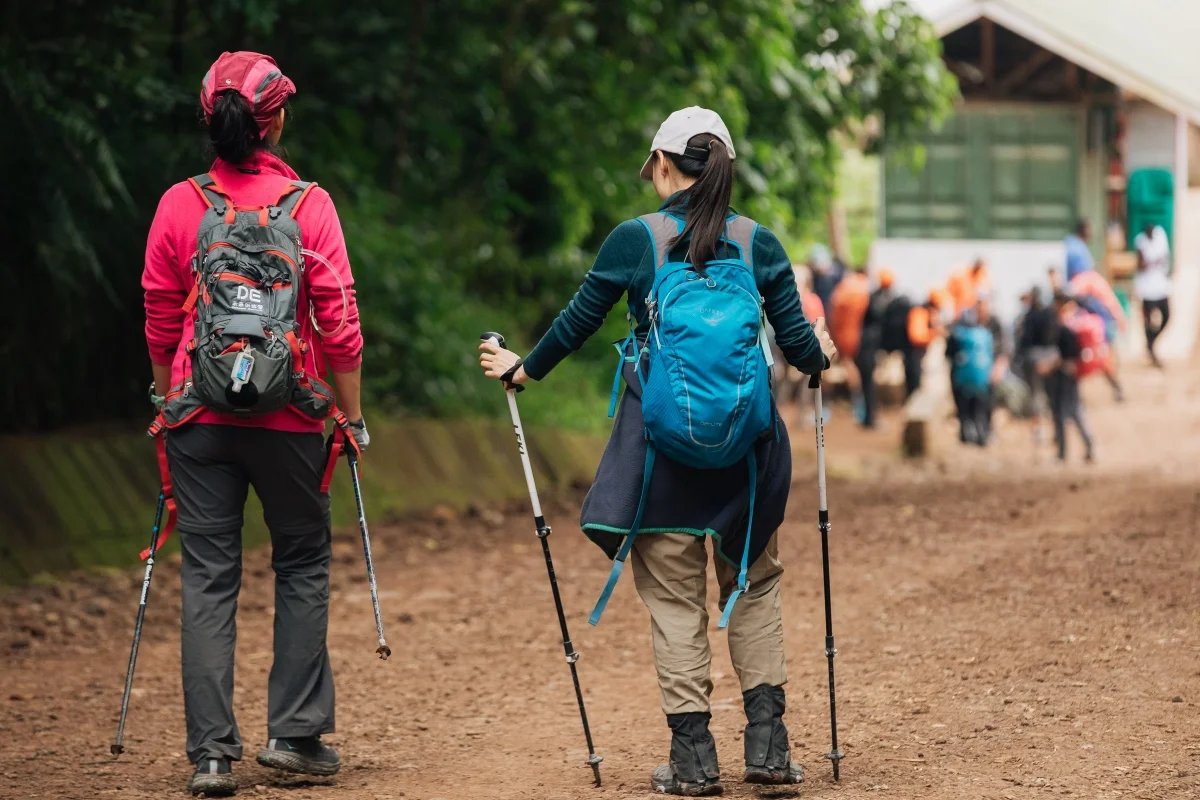
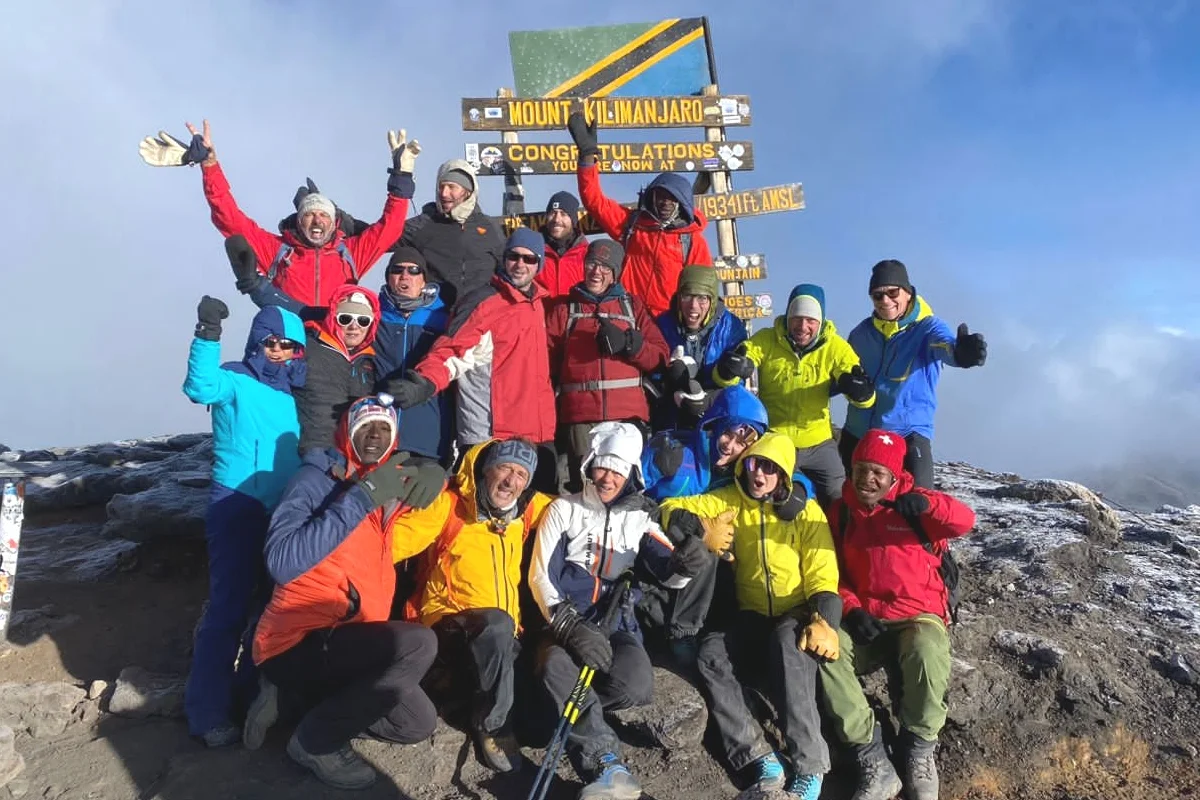
Summit Trekking: Embark on a journey to the summit via one of Kilimanjaro’s six main routes. The climb to Uhuru Peak is challenging yet achievable for determined adventurers.

Wildlife Viewing: Explore the lower slopes and forested areas where you can spot Kilimanjaro’s unique wildlife, including blue monkeys and bushbucks.

Birdwatching: With over 180 bird species, Kilimanjaro is a haven for birdwatchers. Look for species such as the Hartlaub turaco and the Malachite sunbird.

Photography Tours: The landscape and wildlife provide incredible photo opportunities. From sunlit glaciers to towering trees, Kilimanjaro’s beauty is ideal for photographers.

Cultural Visits: Nearby villages offer a glimpse into Chagga culture, where you can learn about traditional practices, sample local food, and buy handicrafts from local artisans.

These activities ensure that every visit to Kilimanjaro National Park is rich in experiences and moments of wonder, whether you’re scaling its heights or immersing yourself in local culture.

 Facilities and Accommodation

Kilimanjaro National Park has facilities catering to climbers, travelers, and those seeking comfort after a day’s adventure.

Mountain Huts: The Marangu Route offers well-maintained mountain huts for climbers, including Mandara, Horombo, and Kibo huts, which provide basic shelter and meals.

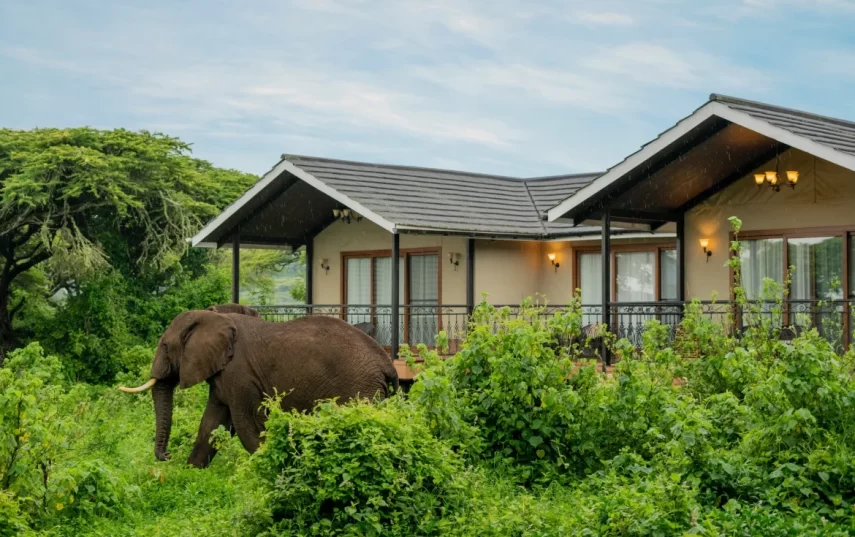
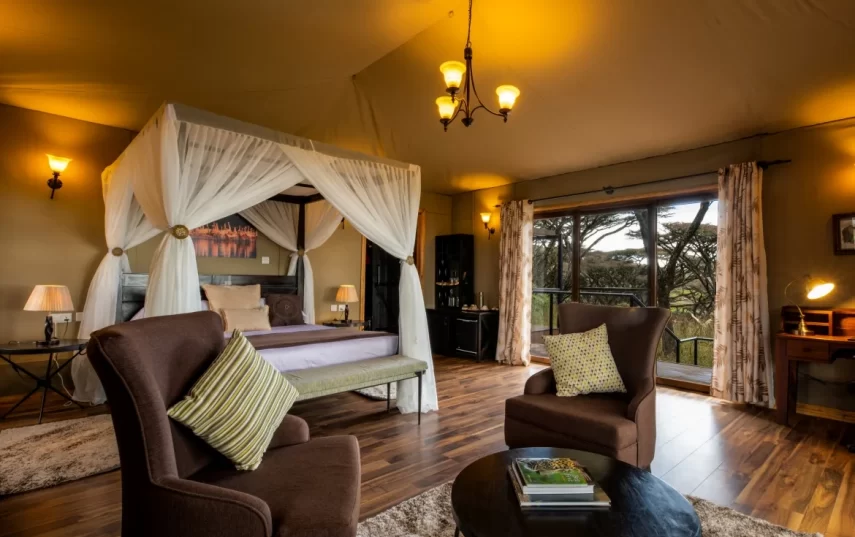
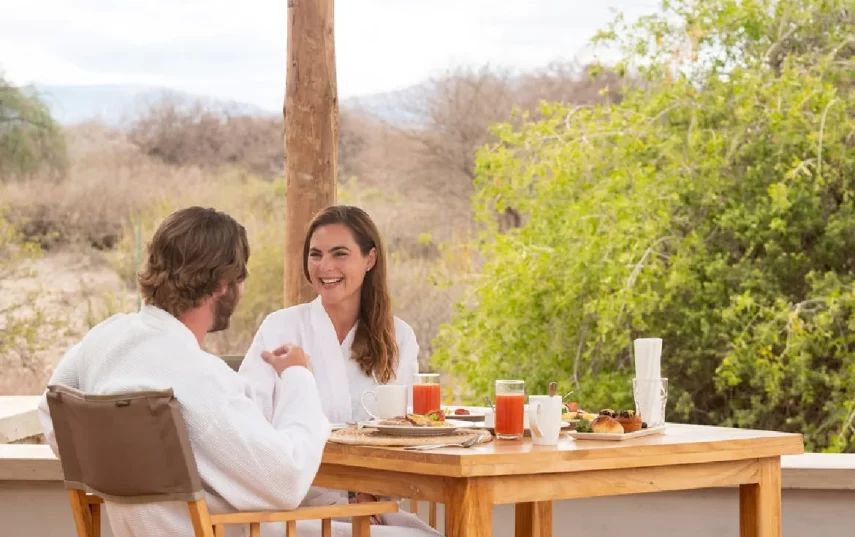
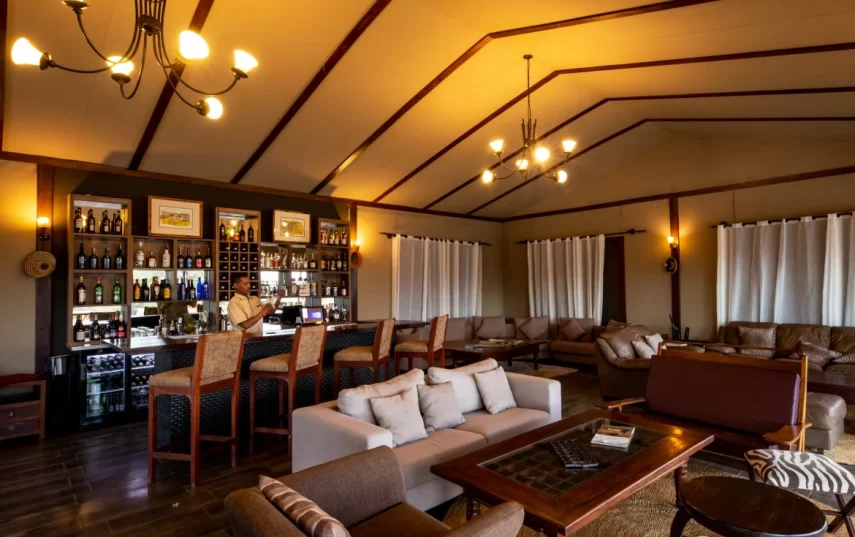
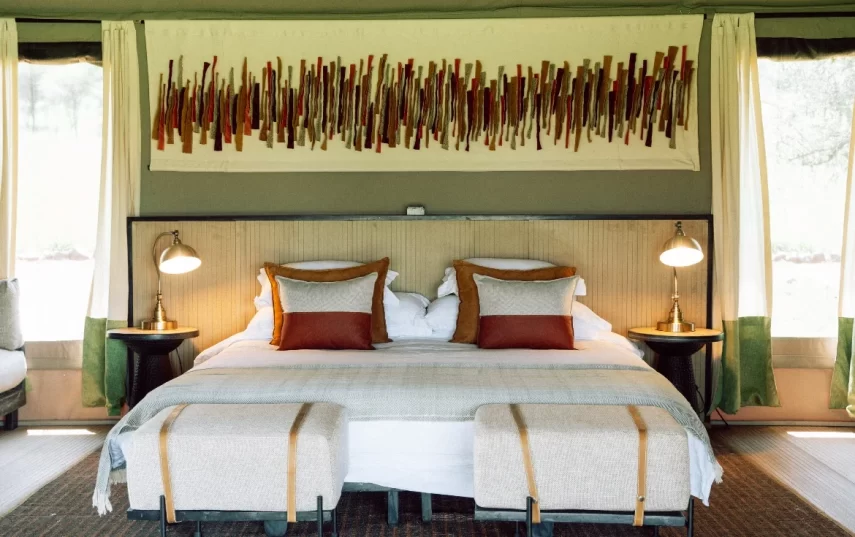
Luxury Lodges: At the base of the mountain, luxurious lodges such as Kaliwa Lodge and Aishi Machame Hotel offer comfortable accommodation, complete with restaurants, scenic views, and recreational facilities.

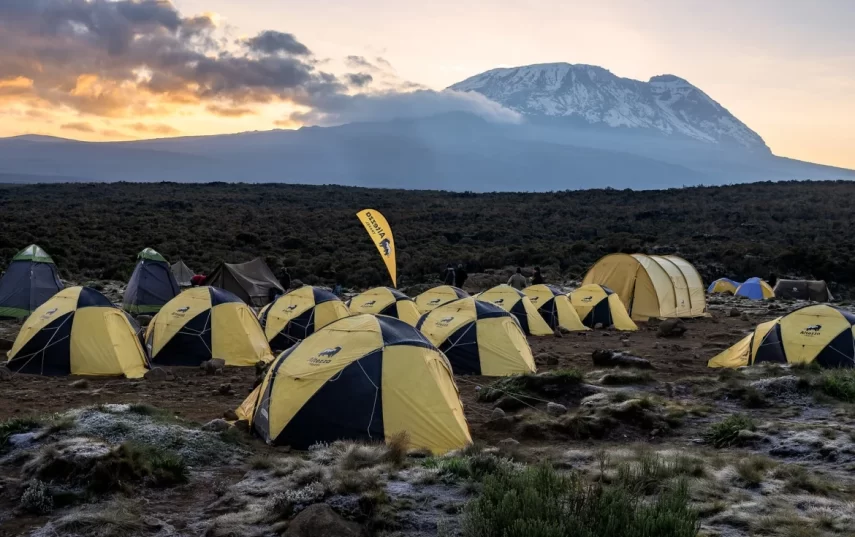
Public Campsites: For budget-conscious travelers, there are several public campsites along the trekking routes, providing a budget-friendly option close to nature.

Visitor Center: The Moshi Visitor Center provides maps, permits, and general information, making it a valuable stop for first-time visitors.

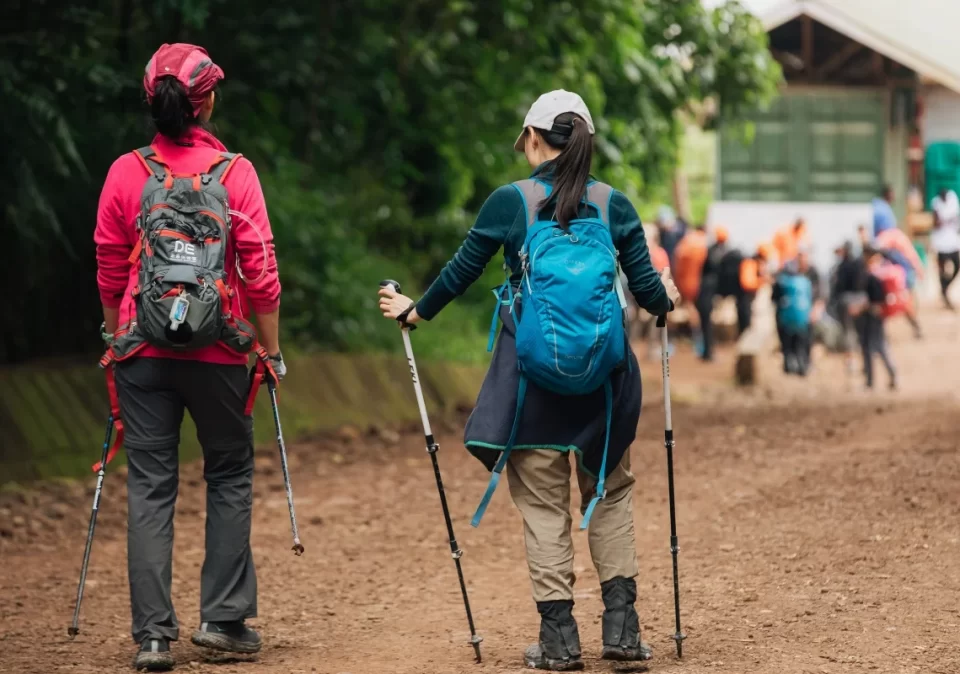
Porter and Guide Services: Kilimanjaro National Park mandates the use of guides, and most climbers hire porters. These local experts not only make the trek manageable but enrich the experience with their knowledge and expertise.

With a range of accommodations and facilities, the park ensures that visitors can tailor their Kilimanjaro experience to match their comfort and adventure level.

Highlighted Trips

At Tanzania Parks Adventures

Our Key Values

Our four key values reflect our dedication to providing exceptional safari experiences
while fostering a responsible and enriching travel environment in Tanzania.

Contact

The Easiest Way To Start Is By Getting In Touch